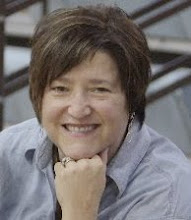
This book began as part of my graduate thesis in the creative writing program at Northern Arizona University in 1994. I wanted to write this book for several reasons. First, and foremost, I wanted to share my story with other women who have endometriosis, but no voice with which to tell their own stories. When I began my book, there were only a handful of published books on endometriosis, and they were all written by doctors or lay people who did not have the disease. And they all contained basically the same information: medical terminology with definitions, and a thorough discussion of endometriosis.
I wanted to offer a different perspective to women, and the people who care about them, that was not just a regurgitation of medical jargon. I wanted to give people a real story that they could relate to. I wanted to make you laugh with me while I reflected on some of the absurd circumstances, maybe to enable you to come away from your own pain for a short while. I also wanted to offer you a cathartic cry to honor all of us who have known, and continue to know, this special kind of pain and grief. And I wanted to supply information about adoption that many of us know so little about when we begin that process, so it can make your journey a little easier.
I hope I accomplished my goals.
SOME THINGS I LEARNED...
There’s no such thing as a perfect child.
One of the most important things I learned was that I was not as rigid in the qualities and conditions regarding a child as I once thought. Every parent wants a healthy child, whether they are adopted or biological. Biological mothers can take precautions to protect their fetus from certain dangers, but there are no guarantees about any number of things that can go wrong during a pregnancy. Special needs children are born to biological families, too.
Many times, babies that are placed for adoption have been exposed to any number of street and/or prescription drugs, alcohol, tobacco, and diseases such as AIDS, gonorrhea, and other sexually transmitted diseases. Others have had little or no prenatal care. I had a very different idea about the kind of child I would choose when we started this part of our journey. What I did not understand then was that God chose us for Rachel. We just had to be receptive.
I will always remember something that Lisa said to us when she did our first home study. In the very beginning of our meeting, she made this statement: There is no “perfect” child. She was not telling us that we should compromise our beliefs and values, but that we needed to understand that adoption can offer different situations to us requiring love, some soul-searching, and flexibility.
A good friend of mine recently told me that after years of failed fertility procedures, her hairdresser decided to pursue adoption. The woman and her husband wanted only a Caucasian newborn with no health problems, whose mother was alcohol, tobacco, and drug free during her pregnancy. I told her that her friend was setting herself up for a huge disappointment.
This was not to say her dream child was not out there somewhere, but, for the most part, the type of girls and women who cannot keep their babies do not meet those criteria. Yes, it does happen, but my guess is that it’s rare. I offered to share my information with the woman in hope of sparing her some heartache, but I never heard from her. We all have to walk down our own paths, and make our own decisions.
What doesn’t kill us makes us stronger.
Whomever coined that phrase certainly spoke from experience. I did not intentionally set out to make lemonade from lemons, see the glass half-full, turn the other cheek, or pick myself up and start all over again, but that’s exactly what I did. The late Gene Siskel used to end interviews with this question: What do you know for sure?
This is what I know: it feels a lot better to learn from my experiences, and to use that knowledge for the future, than to feel sorry for myself, and remain stuck with my sorrow. We heal when we can acknowledge our grief, embrace it, then move forward. And in the world of karma, I don’t believe we allow good to happen to us until we are ready to receive it.
Be honest with yourself, your spouse, your social worker, and the birthparents.
You will save yourself some time, as well as agony, if you can be truthful about your needs and wants throughout the entire adoption process. I realize that sometimes we don’t know what we want because the encounter is new. Michael and I did not always have the same needs or wants, but we made our decisions after thoroughly discussing and researching the possibilities.
We once had the opportunity to adopt a five week old boy in Phoenix whose birthmother was intellectually retarded. She was also an alcoholic, but the doctors who examined the baby claimed he was not affected by the alcohol. Michael and I researched fetal alcohol syndrome (FAS) in depth. We decided to see the baby, and have him examined by a county physician, which was the only way we would not be financially liable. The doctor claimed he did not have FAS.
We spoke with her about another issue. The baby had a condition called polydactyly. He had an extra digit on each hand. Our research informed us that it is a genetic irregularity that is easily correctable with surgery. Three of the birthmother’s other five children had it as well.
Michael and I drove back to Flagstaff that day and discussed the baby. Regardless of the doctor’s findings, we both felt that something did not look right about that baby. We could deal with having surgery to remove the extra digits. We did not believe that the baby was unaffected by the alcohol.
I read aloud from the photocopied information my own gynecologist gave us. The amount of health problems that could, and probably would, occur during childhood were horrifying. Neither of us wanted to take that risk.
I cried because I felt guilty that we would not give that innocent baby a loving home. Michael felt equally bad. We had to come to terms with the fact that we were not responsible for him or his condition. It felt heartless, but we knew that we had a choice, and we owed it to ourselves, and the baby, to be honest about our needs.
Don’t be afraid to ask questions.
Educate yourself until you are blue in the face. You can never have too much knowledge about that which you are getting involved. Don’t hold back asking questions of your social worker, or the birthparents for that matter, or you will be depriving yourself of important information.
Research your concerns to the furthest degree. That may mean making long-distance telephone calls, but it will pay off. Michael and I went so far as to contact a geneticist in Oregon to inquire about the polydactylism. This doctor did not know us, but he was referred by my family physician. He promptly returned our call, and was happy to assist us. My gynecologist, his wife, and their staff obliged our questions on several occasions. We were blessed to have them as resources. Of course, the internet is another valuable tool.
Don’t try to “please” the birthparents.
This goes back to the part about being honest. When we were very new at this, I wanted to say and do all of the “right” things. I thought that if I said things that the birthmother wanted to hear, she would choose us. That was a mistake because it misled me into believing that everything would turn out the way I wanted it to. By the third time we had a birthmother change her mind, I handled the news with the attitude that it was not the baby for us, and something better was coming.
Meeting with birthparents in person, or speaking to them on the telephone, is always awkward in and of itself. Everyone feels a degree of uneasiness. It is just the nature of the circumstance. You have to remember the reason you are meeting with these people: you want their baby.
It is not the same as chatting with your closest friends. I sometimes caught myself blurting out responses to questions without thinking first. Looking back on those events later, I realized that I should have listened to my head instead of my heart, but at the time, my head didn’t have anything to say.
Understand that you may not agree with the “match.”
Just because someone chooses you does not mean that you must reciprocate. The second best feeling during the adoption process is being told you’ve been chosen. (The best feeling is when consent papers have been signed). For us, the desire to be parents, especially first-time ones, was inexplicable. If you’ve been waiting for a long time for that moment, and most of us have, you want to pounce on the opportunity.
However, if you have some issues with anything at all, including the kind of arrangements the birthparents request, you should first try to resolve those things. If you feel like you are settling, or giving in to what conciliates another party, then you may need to evaluate your decision.
Decide ahead of time with your spouse which subjects you may want to defer, so you can discuss them in private.
You cannot possibly know what the birthparents will ask you, but you can prepare for certain topics that you are sure you do not want to discuss for the first time during the initial meeting with them. The degree of openness is a good example. When you are doing this for the first time, you, yourselves may not be sure what you want, which is why it’s a good idea to respond with something like: We haven’t thought about that yet, but we would sure like to discuss it and talk with you about it the next time we meet.
Another subject is the name game. I can’t tell you how many times we were asked if we thought about names, and when said that we hadn’t come up with any yet, the birthmothers asked how we felt about using the one they wanted. Talk about an awkward silence. It would behoove you to discuss those touchy subjects with your social worker, so she can intervene, if necessary. It takes the pressure off of you, and, possibly, allows for the subject to be changed.
One of the most important things I learned was that I was not as rigid in the qualities and conditions regarding a child as I once thought. Every parent wants a healthy child, whether they are adopted or biological. Biological mothers can take precautions to protect their fetus from certain dangers, but there are no guarantees about any number of things that can go wrong during a pregnancy. Special needs children are born to biological families, too.
Many times, babies that are placed for adoption have been exposed to any number of street and/or prescription drugs, alcohol, tobacco, and diseases such as AIDS, gonorrhea, and other sexually transmitted diseases. Others have had little or no prenatal care. I had a very different idea about the kind of child I would choose when we started this part of our journey. What I did not understand then was that God chose us for Rachel. We just had to be receptive.
I will always remember something that Lisa said to us when she did our first home study. In the very beginning of our meeting, she made this statement: There is no “perfect” child. She was not telling us that we should compromise our beliefs and values, but that we needed to understand that adoption can offer different situations to us requiring love, some soul-searching, and flexibility.
A good friend of mine recently told me that after years of failed fertility procedures, her hairdresser decided to pursue adoption. The woman and her husband wanted only a Caucasian newborn with no health problems, whose mother was alcohol, tobacco, and drug free during her pregnancy. I told her that her friend was setting herself up for a huge disappointment.
This was not to say her dream child was not out there somewhere, but, for the most part, the type of girls and women who cannot keep their babies do not meet those criteria. Yes, it does happen, but my guess is that it’s rare. I offered to share my information with the woman in hope of sparing her some heartache, but I never heard from her. We all have to walk down our own paths, and make our own decisions.
What doesn’t kill us makes us stronger.
Whomever coined that phrase certainly spoke from experience. I did not intentionally set out to make lemonade from lemons, see the glass half-full, turn the other cheek, or pick myself up and start all over again, but that’s exactly what I did. The late Gene Siskel used to end interviews with this question: What do you know for sure?
This is what I know: it feels a lot better to learn from my experiences, and to use that knowledge for the future, than to feel sorry for myself, and remain stuck with my sorrow. We heal when we can acknowledge our grief, embrace it, then move forward. And in the world of karma, I don’t believe we allow good to happen to us until we are ready to receive it.
Be honest with yourself, your spouse, your social worker, and the birthparents.
You will save yourself some time, as well as agony, if you can be truthful about your needs and wants throughout the entire adoption process. I realize that sometimes we don’t know what we want because the encounter is new. Michael and I did not always have the same needs or wants, but we made our decisions after thoroughly discussing and researching the possibilities.
We once had the opportunity to adopt a five week old boy in Phoenix whose birthmother was intellectually retarded. She was also an alcoholic, but the doctors who examined the baby claimed he was not affected by the alcohol. Michael and I researched fetal alcohol syndrome (FAS) in depth. We decided to see the baby, and have him examined by a county physician, which was the only way we would not be financially liable. The doctor claimed he did not have FAS.
We spoke with her about another issue. The baby had a condition called polydactyly. He had an extra digit on each hand. Our research informed us that it is a genetic irregularity that is easily correctable with surgery. Three of the birthmother’s other five children had it as well.
Michael and I drove back to Flagstaff that day and discussed the baby. Regardless of the doctor’s findings, we both felt that something did not look right about that baby. We could deal with having surgery to remove the extra digits. We did not believe that the baby was unaffected by the alcohol.
I read aloud from the photocopied information my own gynecologist gave us. The amount of health problems that could, and probably would, occur during childhood were horrifying. Neither of us wanted to take that risk.
I cried because I felt guilty that we would not give that innocent baby a loving home. Michael felt equally bad. We had to come to terms with the fact that we were not responsible for him or his condition. It felt heartless, but we knew that we had a choice, and we owed it to ourselves, and the baby, to be honest about our needs.
Don’t be afraid to ask questions.
Educate yourself until you are blue in the face. You can never have too much knowledge about that which you are getting involved. Don’t hold back asking questions of your social worker, or the birthparents for that matter, or you will be depriving yourself of important information.
Research your concerns to the furthest degree. That may mean making long-distance telephone calls, but it will pay off. Michael and I went so far as to contact a geneticist in Oregon to inquire about the polydactylism. This doctor did not know us, but he was referred by my family physician. He promptly returned our call, and was happy to assist us. My gynecologist, his wife, and their staff obliged our questions on several occasions. We were blessed to have them as resources. Of course, the internet is another valuable tool.
Don’t try to “please” the birthparents.
This goes back to the part about being honest. When we were very new at this, I wanted to say and do all of the “right” things. I thought that if I said things that the birthmother wanted to hear, she would choose us. That was a mistake because it misled me into believing that everything would turn out the way I wanted it to. By the third time we had a birthmother change her mind, I handled the news with the attitude that it was not the baby for us, and something better was coming.
Meeting with birthparents in person, or speaking to them on the telephone, is always awkward in and of itself. Everyone feels a degree of uneasiness. It is just the nature of the circumstance. You have to remember the reason you are meeting with these people: you want their baby.
It is not the same as chatting with your closest friends. I sometimes caught myself blurting out responses to questions without thinking first. Looking back on those events later, I realized that I should have listened to my head instead of my heart, but at the time, my head didn’t have anything to say.
Understand that you may not agree with the “match.”
Just because someone chooses you does not mean that you must reciprocate. The second best feeling during the adoption process is being told you’ve been chosen. (The best feeling is when consent papers have been signed). For us, the desire to be parents, especially first-time ones, was inexplicable. If you’ve been waiting for a long time for that moment, and most of us have, you want to pounce on the opportunity.
However, if you have some issues with anything at all, including the kind of arrangements the birthparents request, you should first try to resolve those things. If you feel like you are settling, or giving in to what conciliates another party, then you may need to evaluate your decision.
Decide ahead of time with your spouse which subjects you may want to defer, so you can discuss them in private.
You cannot possibly know what the birthparents will ask you, but you can prepare for certain topics that you are sure you do not want to discuss for the first time during the initial meeting with them. The degree of openness is a good example. When you are doing this for the first time, you, yourselves may not be sure what you want, which is why it’s a good idea to respond with something like: We haven’t thought about that yet, but we would sure like to discuss it and talk with you about it the next time we meet.
Another subject is the name game. I can’t tell you how many times we were asked if we thought about names, and when said that we hadn’t come up with any yet, the birthmothers asked how we felt about using the one they wanted. Talk about an awkward silence. It would behoove you to discuss those touchy subjects with your social worker, so she can intervene, if necessary. It takes the pressure off of you, and, possibly, allows for the subject to be changed.
“OPEN” and “CLOSED” ADOPTION
At some point, you may need to decide on what kind of contact you want to have with the birthparents. Keep in mind that you may not have a choice because some birthparents want no contact. If you are not comfortable with their choice, that placement may not be for you, but I would not recommend turning away a child for that reason. Sometimes we cannot understand why birthparents make the choices they do, and their reasons may never be explained to us. If you can live with that, then your child will probably be accepting of it too.
I believe that placing a child for adoption is the most selfless act of love people can commit. I truly do not know how they get through it emotionally, but I am grateful that it can be done.
“Closed” typically means no contact with birthparents, but it can also mean that there is written communication without physical meetings. I accept the idea that Rachel’s birthmother, Linda, may be in too much emotional pain to have contact with us or Rachel, but that does not mean that Linda never thinks about Rachel and wonders about her life. I know she will love Rachel for as long as Michael and I do, and that is so precious. Rachel is lucky that so many people love her, even if she never meets some of those people.
Linda did not want to meet us, although we will always welcome a meeting in the future should she want to meet with us or Rachel. We reiterate that every time we write to her. Her request was that she receive pictures and letters four times the first year, and once a year after that. We send them on Rachel’s birthday. We have never received letters from Linda, nor do we have any photographs of any member of Rachel’s birth family. I pray that some day Linda will be able, or willing, to make some kind of contact as long as Rachel has an interest in it as well. Michael and I want Rachel to make her own decisions regarding her background.
“Open” has a broad range of definitions. It can mean a minimal amount of contact, such as mutual correspondence of letters and photos. It can mean exchanging telephone numbers, and addresses, as well as disclosing last names. Some people have close contact with birthparents and extended family members. I have even heard of one relationship in which the birthmother has gone on vacations with the adoptive family. Some birthparents live too far to arrange any kind of visitation, but others make arrangements to meet any certain amount of times a year, whether it’s in a neutral location like a park for a picnic, or a restaurant, or the agency.
Everyone must feel comfortable with the agreement. Your social worker will probably tell you that over time you can all decide that if more contact is suitable to your needs, then you can agree to “looser” terms. It is much easier to consent to more contact than to discuss having less. We all have different comfort zones, and we must acknowledge our own perimeters, as well as the birthparents’ in order to create a healthy relationship.
I believe that placing a child for adoption is the most selfless act of love people can commit. I truly do not know how they get through it emotionally, but I am grateful that it can be done.
“Closed” typically means no contact with birthparents, but it can also mean that there is written communication without physical meetings. I accept the idea that Rachel’s birthmother, Linda, may be in too much emotional pain to have contact with us or Rachel, but that does not mean that Linda never thinks about Rachel and wonders about her life. I know she will love Rachel for as long as Michael and I do, and that is so precious. Rachel is lucky that so many people love her, even if she never meets some of those people.
Linda did not want to meet us, although we will always welcome a meeting in the future should she want to meet with us or Rachel. We reiterate that every time we write to her. Her request was that she receive pictures and letters four times the first year, and once a year after that. We send them on Rachel’s birthday. We have never received letters from Linda, nor do we have any photographs of any member of Rachel’s birth family. I pray that some day Linda will be able, or willing, to make some kind of contact as long as Rachel has an interest in it as well. Michael and I want Rachel to make her own decisions regarding her background.
“Open” has a broad range of definitions. It can mean a minimal amount of contact, such as mutual correspondence of letters and photos. It can mean exchanging telephone numbers, and addresses, as well as disclosing last names. Some people have close contact with birthparents and extended family members. I have even heard of one relationship in which the birthmother has gone on vacations with the adoptive family. Some birthparents live too far to arrange any kind of visitation, but others make arrangements to meet any certain amount of times a year, whether it’s in a neutral location like a park for a picnic, or a restaurant, or the agency.
Everyone must feel comfortable with the agreement. Your social worker will probably tell you that over time you can all decide that if more contact is suitable to your needs, then you can agree to “looser” terms. It is much easier to consent to more contact than to discuss having less. We all have different comfort zones, and we must acknowledge our own perimeters, as well as the birthparents’ in order to create a healthy relationship.
FINAL ADOPTION HEARING
The hearing is conducted in the judge’s chambers with the county attorney present. The hearing is very informal. We invited our social worker, Julie, to the hearing because we wanted her to be a part of that important event.
There is no attorney’s fee unless you use a private attorney. For the record, the attorney asks you to state your full names, address, and when you took custody. Then she asks if it is still your desire to adopt. The judge signs the final order of adoption, and you file for a new birth certificate with your last name listed as the child’s legal name. We paid $18 for a certified copy of the order, which we received immediately after the hearing from the cashier. This is optional, but highly recommended to have for your own records.
The hearing offers closure to a long process, but it honestly felt anti-climactic to me. Rachel had been our daughter for ten months already. The signed document only proved it to the rest of the world.
There is no attorney’s fee unless you use a private attorney. For the record, the attorney asks you to state your full names, address, and when you took custody. Then she asks if it is still your desire to adopt. The judge signs the final order of adoption, and you file for a new birth certificate with your last name listed as the child’s legal name. We paid $18 for a certified copy of the order, which we received immediately after the hearing from the cashier. This is optional, but highly recommended to have for your own records.
The hearing offers closure to a long process, but it honestly felt anti-climactic to me. Rachel had been our daughter for ten months already. The signed document only proved it to the rest of the world.
FILE PETITION TO ADOPT & JUDGE SETS DATE FOR FINAL HEARING
This is a three page legal document stating personal data about the adoptive parents: names, dates of birth, address, as well as the child’s facts. The child’s name is stated with the birthparents’ last name at this time since the finalization has not yet taken place. The petition formally asks the judge for a hearing date, and states the child is free and clear to adopt. The time between filing and setting the date takes about 30 days. In Arizona, the final hearing date is three months from the time of filing for “healthy” children. The time is different for special needs and relative adoptions. Our first adoption hearing, in 1998, was scheduled six months from filing. Rachel was ten months old.
Before the final adoption hearing, the social worker writes a final report to the court, detailing how the placement is going, and how the parents and child are coping and adapting. She gathers this information through visits to the home every other month until the hearing. She asks questions about the baby’s sleeping and eating habits, health, her physical and emotional development, how the parents respond when she cries, milestones, socialization. She will probably want to see the baby’s room, as well as observe how she interacts with the parents. The agency, and the court, want to see that everyone, but especially the child, is functioning well, and that the baby is happy in its environment.
Many people have the unwarranted fear that the baby can be taken away from them before the adoption is finalized. That idea is misleading in that, although it is true, it can really only happen if the child is being abused or mistreated, or if one or both parents have been arrested for a criminal offense, or if parenting skills are questionable. The child will not be removed from the home for arbitrary reasons. However, under some circumstances the parents may change their minds, for example, if they realize they cannot cope with or care for a special needs child, or if they find they do not have the necessary skills to parent.
Before the final adoption hearing, the social worker writes a final report to the court, detailing how the placement is going, and how the parents and child are coping and adapting. She gathers this information through visits to the home every other month until the hearing. She asks questions about the baby’s sleeping and eating habits, health, her physical and emotional development, how the parents respond when she cries, milestones, socialization. She will probably want to see the baby’s room, as well as observe how she interacts with the parents. The agency, and the court, want to see that everyone, but especially the child, is functioning well, and that the baby is happy in its environment.
Many people have the unwarranted fear that the baby can be taken away from them before the adoption is finalized. That idea is misleading in that, although it is true, it can really only happen if the child is being abused or mistreated, or if one or both parents have been arrested for a criminal offense, or if parenting skills are questionable. The child will not be removed from the home for arbitrary reasons. However, under some circumstances the parents may change their minds, for example, if they realize they cannot cope with or care for a special needs child, or if they find they do not have the necessary skills to parent.
CERTIFICATION
The judge signs an order issued by the court stating that you are competent to adopt. Depending on the county you live in, this process can take anywhere from two weeks to several months. Unfortunately, there is nothing you can do to speed up the process. Living in a small town can have its benefits, though. The judge will likely have a smaller case load, and will be more apt to sign the order in a timely fashion.
ADOPTION HOME STUDY AND CERTIFICATION
The Home Study is a written report about you, turned in to the judge, written by your social worker. You are required to supply all of the following information, and legal papers that apply: birth certificate, marriage license, divorce decree, military papers, physical examinations, employment verification, household budget, letters of reference, and fingerprints. In addition, the social worker details your “life story” in order to gather enough history to learn about your background.
For a first-time adoption, the social worker conducts three to four interviews which last approximately 60 to 90 minutes. The “life story” section is typically done privately with each spouse. The court is not looking for any secrets to be divulged, but by law the couple is required to be separated.
The social worker tours your home for appropriateness and safety. After she collects all of this information, she writes her Home Study report to the judge, and recommends whether or not you should be certified to adopt.
Fingerprinting is performed at your local police station. The cost for us was $5 per person. Clearance usually takes about 90 days for both federal and state. The clearance information is sent to your agency, who, then, notifies you.
I would not hesitate checking in with your social worker for an update now and then. Speaking from personal experience, our fingerprint clearance had been back for several weeks before Kathy compiled it with our home study report. One telephone call lit a fire under her to proceed with our certification. When you are waiting to adopt a child, days can feel like weeks, and you have every right to follow the progress of your investment. Sometimes you have to be aggressive.
For a first-time adoption, the social worker conducts three to four interviews which last approximately 60 to 90 minutes. The “life story” section is typically done privately with each spouse. The court is not looking for any secrets to be divulged, but by law the couple is required to be separated.
The social worker tours your home for appropriateness and safety. After she collects all of this information, she writes her Home Study report to the judge, and recommends whether or not you should be certified to adopt.
Fingerprinting is performed at your local police station. The cost for us was $5 per person. Clearance usually takes about 90 days for both federal and state. The clearance information is sent to your agency, who, then, notifies you.
I would not hesitate checking in with your social worker for an update now and then. Speaking from personal experience, our fingerprint clearance had been back for several weeks before Kathy compiled it with our home study report. One telephone call lit a fire under her to proceed with our certification. When you are waiting to adopt a child, days can feel like weeks, and you have every right to follow the progress of your investment. Sometimes you have to be aggressive.
Subscribe to:
Posts (Atom)